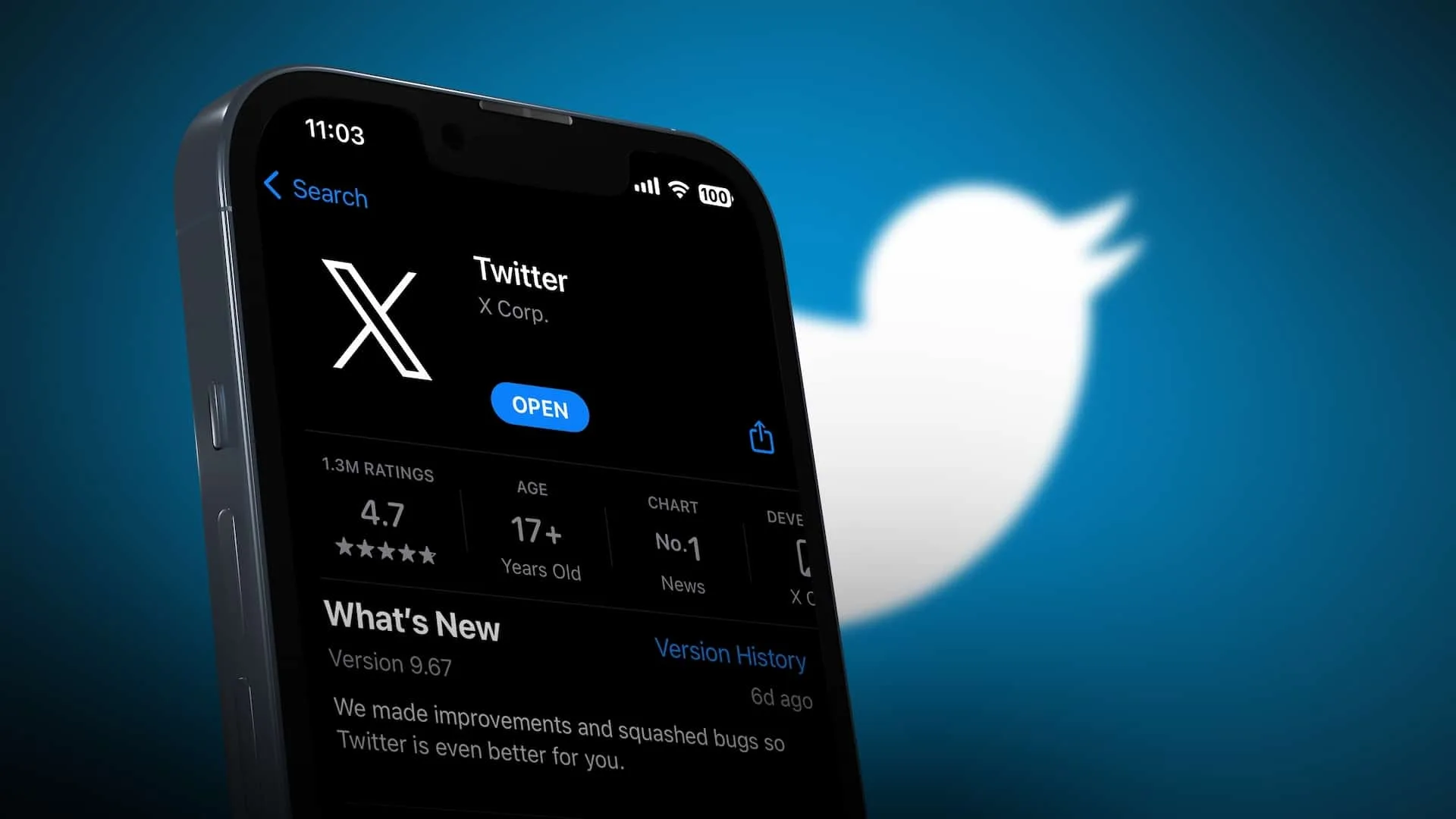

Your competitors have likely abandoned the platform. Major advertisers paused their spend months ago, citing volatility and brand safety concerns. If you follow the herd, you probably think Twitter advertising (now X Ads) is dead.
But if you are a performance marketer, you know that when the big players leave, the auction pressure drops. And when auction pressure drops, traffic goes on sale.
While LinkedIn is charging upwards of $10 per click for B2B audiences, X is currently offering a “distressed asset” discount that savvy growth hackers are quietly exploiting. It is not a safe haven for every brand, and it certainly requires a thicker skin than Instagram. However, for B2B companies willing to navigate the chaos, X offers one of the most undervalued attention arbitrages in digital marketing today.
Here is how to run profitable campaigns on the platform everyone loves to hate.
1. The “Ghost Town” Discount: Arbitrage Your CPMs
The economics of X right now are simple: demand for ad inventory has plummeted, but the daily active user base (the supply) remains surprisingly stubborn.
This imbalance has created a buyer’s market. In 2025, Cost Per Click (CPC) on X can hover between $0.20 and $0.50, even for US-based audiences. Compare that to LinkedIn, where reaching decision-makers often costs $6.00 to $12.00 per click.
The Strategy: Don’t treat X as a primary conversion channel immediately. Use it as a top-of-funnel volume driver. You can drive thousands of targeted visitors to a whitepaper or webinar registration page for a fraction of the cost of Meta or LinkedIn. even if the conversion rate is lower, the drastically lower CPC often yields a superior Cost Per Acquisition (CPA).
2. Targeting the Conversation (The “Replier” Method)
X’s superpower has always been its open graph. Unlike Facebook, where conversations are gated behind private walls, X conversations are public. This allows for Keyword Targeting that is essentially intent-based search marketing disguised as social display.
How to execute: Instead of targeting generic “Business” interests (which are often inaccurate), target the specific keywords people use when complaining about a problem you solve.
-
SaaS Example: If you sell project management software, don’t just target “Project Managers.” Target phrases like “Jira is down,” “Asana confusing,” or “hates spreadsheets.”
-
The Window: Set the lookback window to 7 days. You are now showing ads to people who publicly expressed frustration with your competitor within the last week.
3. The Creative Pivot: Vertical and Native
If you are running square images with “Sign Up” buttons, you are burning money. The algorithm under X’s current leadership has aggressively prioritized video, specifically vertical video that mimics the TikTok experience.
The “Native” Text Ad: One of the highest-performing ad formats currently is the “Text-Only” ad that looks exactly like a tweet. No glossy banners, no stock photos. Just a compelling hook and a link.
-
Why it works: Users have developed “banner blindness.” A text-only ad slips past their mental ad-blockers because it reads like a hot take or a thread from a peer, not a corporate promotion.
4. Surviving the Brand Safety Minefield
We cannot ignore the elephant in the room. The reason ad costs are low is that the environment is volatile. Your ad could theoretically appear below a controversial political rant.
The Fix: You must be vigilant with your Adjacency Controls.
-
Exclusions: Aggressively use the “Negative Keyword” list. upload a library of sensitive terms (political, NSFW, controversial) to ensure your ads don’t serve next to toxic content.
-
Replier Settings: In your ad settings, restrict who can reply to your promoted tweets. This prevents your ad comments section from becoming a battleground, keeping the focus on your CTA.
5. The “Follower Look-Alike” Hack
X still possesses one targeting feature that is superior to almost any other platform: Follower Targeting. You can target the followers of your direct competitors, industry influencers, or specific trade publications.
The Tactic: Build an audience segment consisting of the handles of the top 50 influencers in your niche.
-
Do not target massive accounts like @ElonMusk or @CNN; the data is too broad.
-
Do target niche micro-influencers. If you sell SEO tools, target the followers of specific SEO consultants. These users have self-selected as interested in your exact topic.
Conclusion: Test Small, Scale Fast
Twitter advertising in 2025 is not a “set it and forget it” channel. It requires hands-on management and a willingness to test creative formats that feel unpolished. However, the math is undeniable. While your competitors fight over expensive real estate on LinkedIn, you can buy attention on X for pennies on the dollar.
Start with a small budget of $500. Focus on keyword targeting around pain points. If you can make the unit economics work here, you will have a competitive moat that others are too afraid to cross.