
For tech enthusiasts who fondly remember the early days of mobile technology, the current state of consumer electronics can feel somewhat disappointing. Reading through tech news today reveals a steady stream of canceled products, price hikes, and software consolidation. This begs a serious question: is the future of smartphones—and Android as we know it—stalling out?
To understand where the industry is heading, we must first look at what made the early smartphone era so captivating, why innovation seems to have hit a wall, and what the relentless push for artificial intelligence means for the devices in our pockets.
The Golden Era of Android Innovation
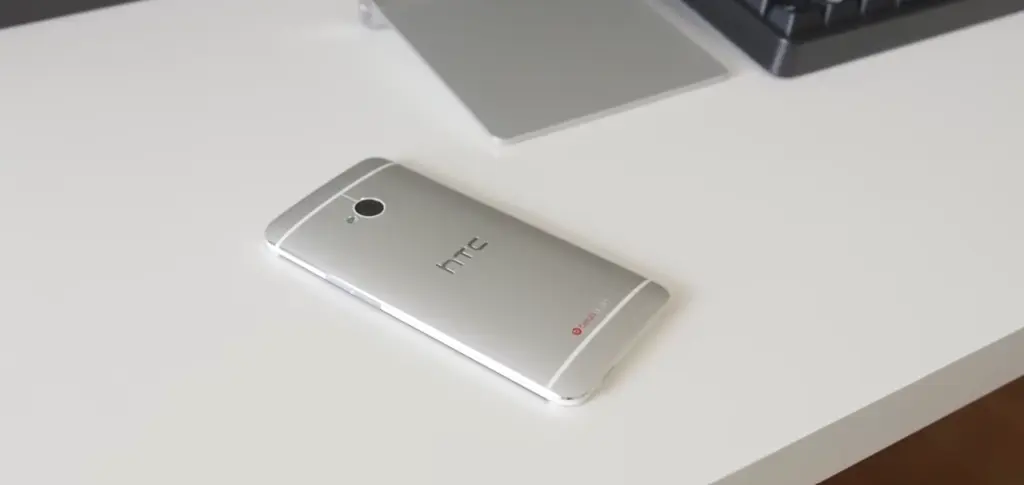
In the early to mid-2010s, the Android ecosystem was wonderfully chaotic. Every few months, manufacturers released flagship devices with completely maxed-out specs, unique designs, and bizarre hardware angles. There was never one definitive “best” smartphone because each company took a radically different approach.
Consider these iconic, risk-taking devices:
-
Motorola Moto X (2013): Allowed users to build their smartphones from the ground up, choosing trim colors, bezel colors, and back panel materials ranging from wood to football leather.
-
OnePlus One (2014): The original “flagship killer” offered top-tier specs for half the price of competitors, launching with the highly customizable CyanogenMod.
-
Google Nexus Line: Delivered pure, stock Android on beautifully designed, affordable hardware.
-
The Essential Phone (2017): Created by the co-founder of Android, this titanium and ceramic device featured magnetic pins for modular hardware attachments.
In this era, Android was a gritty, scrappy platform where companies swung for the fences. If a new technology like silicon-carbon batteries or 120-watt fast charging became available, manufacturers would race to implement it.
Why the Future of Smartphones Looks Stagnant
Today, the landscape is the exact opposite. The industry has matured, optimized its supply chains, and virtually eliminated risk. If you have followed the market recently, you know we are trapped in a cycle of iterative updates.
Hardware and Software Plateaus
Instead of massive hardware leaps, modern smartphones feature the same camera sensors for four to five years in a row, with only marginal improvements to processors and charging speeds. Every dollar is scrutinized, and every design is formulated by committee.
Software has also hit a wall. Whether you look at stock Android 16 versus Android 17 or the latest iterations of Samsung’s One UI, the updates are largely cosmetic. Even iOS, which has seen the most visual changes recently, is mostly playing catch-up by adding home screen customizations that Android users have enjoyed for a decade.
The AI Dilemma and Rising Costs
Instead of developing rich operating system features, companies are pouring all their resources into Artificial Intelligence. From Apple Intelligence to Google’s Gemini, manufacturers are desperately trying to convince consumers that on-device AI is the ultimate future of smartphones.
However, this push has created a toxic feedback loop. Manufacturers insist that modern phones require massive amounts of RAM to run these on-device AI models—features that the average consumer is not even asking for. As demand for RAM skyrockets, the cost of manufacturing surges.
This has a devastating ripple effect across the industry:
-
Price Hikes: Brands across the board are increasing the prices of tablets, foldables, and base model smartphones by $50 to $200.
-
Budget Phone Casualties: Budget lineups are being hit the hardest. Some companies have outright canceled affordable product lines, citing that the cost of RAM now accounts for over 50% of the total hardware bill.
According to global supply chain analyses, these price increases are likely permanent. When component shortages eventually ease, corporations rarely lower their profit margins back to previous levels.
What’s Next for Mobile Tech?
The smartphone as a fun, hobbyist platform is arguably in decline. The current market forces actively work against the idea of making mobile technology accessible, risky, and ambitious. While AI will certainly continue to evolve, the sheer shock and awe of a new device reveal seems to be a thing of the past.
Unless a major hardware disruption occurs—perhaps through advancements in flexible display technology or battery chemistry—the future of smartphones will likely remain a predictable, albeit expensive, series of minor refinements.
If you are curious, we have ranked the best smartphones of 2026 so far.