
The landscape of mobile computing is shifting rapidly. With the recent introduction of the Nvidia RTX Spark, the tech giant is looking far beyond traditional gaming and standard productivity tasks. Instead, this new system-on-a-chip (SoC) is explicitly designed to usher in what the industry is calling the “new era of PC,” a future dominated by localized Artificial Intelligence (AI).
In this comprehensive guide, we will break down exactly what makes the Nvidia RTX Spark so groundbreaking, how it handles complex, multi-step AI agents, and what this technological leap means for creators and everyday users alike.
What is the Nvidia RTX Spark?
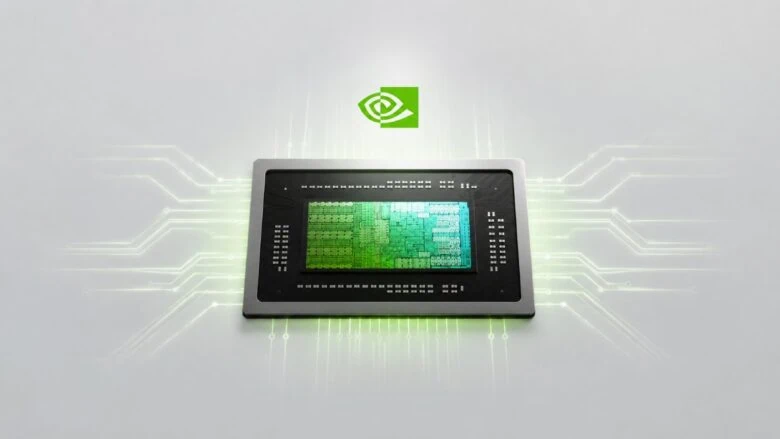
At its core, the Nvidia RTX Spark is a formidable laptop processor built for premium, thin-and-light devices. Despite being integrated into chassis as thin as 14 millimeters, it promises true all-day battery life without sacrificing desktop-class performance.
Here is a quick look at the standout hardware specifications:
-
Processor: A highly efficient 20-core ARM-based CPU designed for intensive, sustained workloads.
-
Graphics: An integrated RTX 5070 GPU that remarkably boasts the exact same core count as its desktop counterpart.
-
Memory: Support for up to 128GB of unified RAM, which is critical for loading and caching large data sets.
-
Software Ecosystem: Native, full access to the Nvidia software stack, including DLSS, advanced ray tracing, and most importantly, CUDA.
Why Local AI Agents are the Real Focus
While previous tech cycles focused heavily on cloud-based Large Language Models (LLMs) acting as responsive chatbots, the Nvidia RTX Spark targets the next evolution of productivity: AI agents.
From Chatbots to Active Interns
An AI agent goes beyond simply answering text prompts; it acts autonomously to perform multi-step tasks across your applications. For example, you could instruct your agent to compile a monthly report, pull data from your spreadsheets, format it into a presentation, and email it to your team. The agent actively works across your software suite to complete the goal.
To execute this locally without relying on slow cloud servers, a computer requires massive amounts of high-speed memory. While other premium devices offer high unified memory, few possess native access to Nvidia’s CUDA architecture. Because the vast majority of AI tools are built and optimized specifically for this environment, as detailed by Nvidia’s CUDA developer resources, the Spark chip holds a massive structural advantage.
The Microsoft Integration Challenge
Despite the impressive hardware, the success of these agents largely depends on seamless software integration. Microsoft is tasked with baking these localized AI agents directly into the Windows operating system. Given the mixed public reception to early iterations of Microsoft Copilot, granting an autonomous agent deep file and application access raises valid privacy and usability concerns. It remains to be seen if everyday consumers will fully embrace this level of operating system control, even if it drastically speeds up daily workflows.
Beyond AI: Creative Workloads and Gaming
Although local AI is the primary marketing pitch, the chip is meticulously built to excel in other demanding arenas.
-
Creative Architecture: The combination of the RTX 5070 and massive unified RAM makes this chip a powerhouse for video editors and digital artists. Major software vendors, including Adobe, are reportedly developing new baseline architectures for Premiere Pro and Photoshop specifically optimized for the Spark’s unique layout.
-
Productivity-First Gaming: Interestingly, the launch partners for this chip focus heavily on creator-centric lines like the Lenovo Yoga, Dell XPS, and Asus ProArt. While these are not strictly branded as gaming laptops, the GPU parity with desktop graphics cards guarantees they will deliver incredible gaming performance in a highly portable form factor.
The Future of Mobile Computing
The launch of the Nvidia RTX Spark represents a bold bet on the future of localized computing. By placing 128GB of unified memory on a CUDA-capable laptop, developers and power users can finally run massive models entirely offline.
However, with bleeding-edge technology comes a premium price tag. While official retail pricing has not yet been revealed, early adopters should brace for high hardware costs. Whether you are an AI developer, a high-end creator, or an early tech enthusiast, this hardware release is undoubtedly one of the most exciting computing developments of the year.
If you are interested in AI and tech news, also read: Stop Using AI Like a Chatbot: 3 Advanced Workflows That Feel Like Magic