You just opened your doors—or maybe you’ve been open for years—but the foot traffic just isn’t matching the quality of your product. You know your neighbors would love what you sell, if only they knew you existed. Instead, you watch potential customers walk right past your storefront to a competitor who simply shouts louder.
Local advertising isn’t about having the biggest budget; it’s about being the most visible option when a neighbor pulls out their phone and searches “near me.” In 2025, throwing money at a billboard and hoping for the best is a fast track to bankruptcy. You need precision, automation, and genuine community integration.
The Foundation: Google Business Profile (GBP)
Before you spend a dime on ads, you must master the free tool that drives the majority of local commerce. Your Google Business Profile is your modern storefront. If it is incomplete, you are invisible.
Why it wins: When someone searches “plumber near me” or “best tacos in [City],” Google doesn’t show them a website first; it shows the “Local Pack”—the map with three business listings.
How to optimize it:
-
Photos matter: Upload high-quality images of your team, your space, and your work. Profiles with photos receive significantly more requests for directions.
-
Reviews are currency: Reply to every single review. A response to a bad review shows you care; a response to a good one shows you are active.
-
Services list: Be granular. Don’t just list “Landscaping”; list “hardscaping,” “sod installation,” and “seasonal cleanup” to capture specific search intent.
Hyper-Local Digital Advertising
Once your organic foundation is set, paid digital ads act as the accelerant. The key here is “hyper-local.” You shouldn’t be paying to show ads to people three towns over.
Google Local Services Ads (LSA)
For service-based businesses (electricians, cleaners, lawyers), this is often superior to standard Google Ads.
-
The “Google Screened” Badge: You undergo a background check, earning a green checkmark that builds instant trust.
-
Pay Per Lead, Not Per Click: Unlike standard PPC (Pay Per Click) where you pay when someone clicks your link, here you often pay only when you get a valid phone call or message. This massively reduces wasted spend.
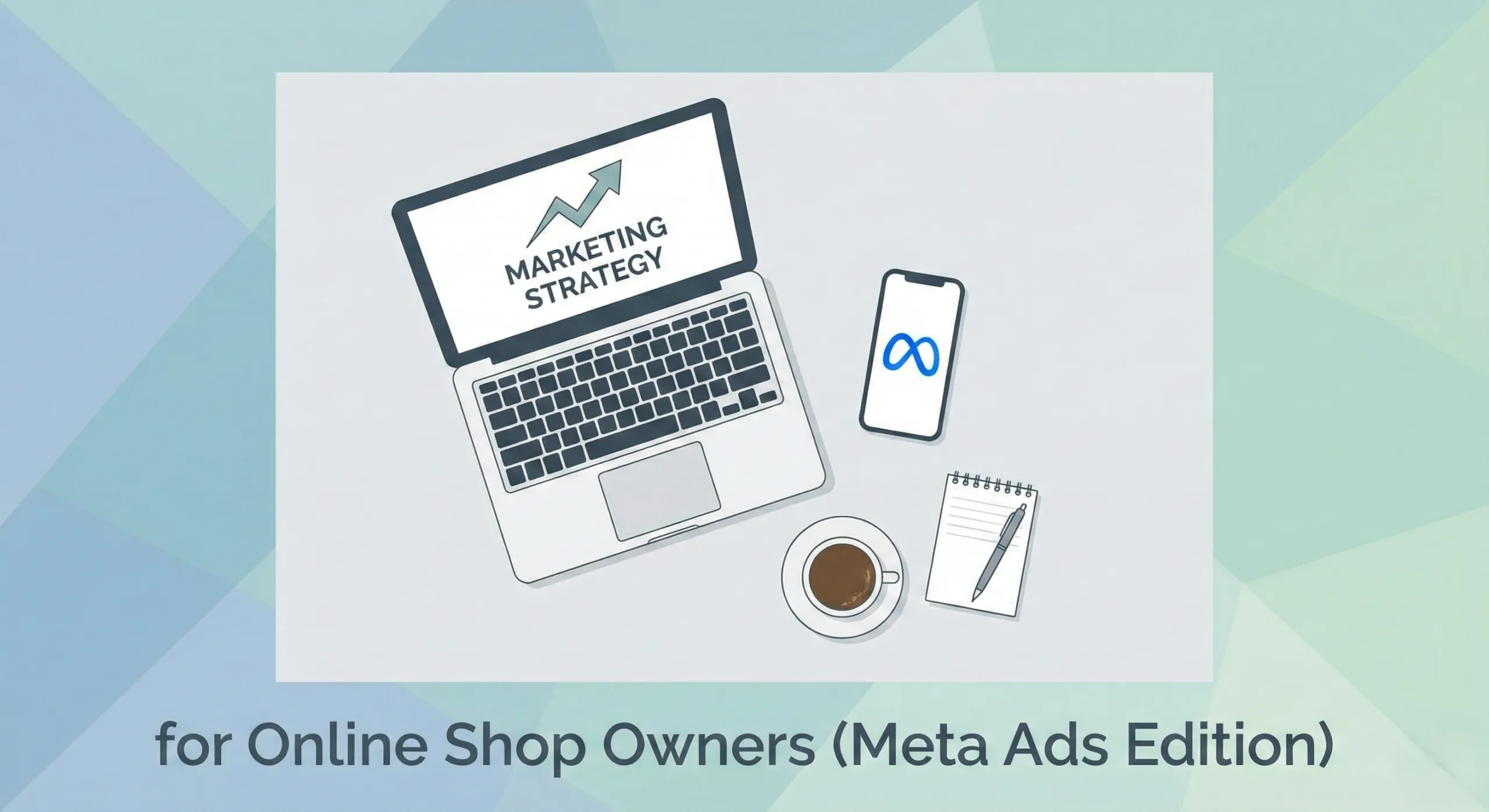
Meta (Facebook & Instagram) Geofencing
Social media allows for “geofencing”—drawing a virtual perimeter around a specific location.
-
The Strategy: Target a 1-mile radius around your shop. Use a creative hook like, “Hey [Neighborhood Name], have you tried the new lunch special yet?”
-
Retargeting: Install a pixel on your website. If a local resident visits your menu page but doesn’t order, show them an ad the next day on Instagram offering a 10% discount on their first order.
Nextdoor
Nextdoor is the digital equivalent of a neighborhood yard sale or town hall. It is where people go specifically to ask for local recommendations.
-
Best For: Home services, real estate agents, and local events.
-
Tone Check: Hard selling fails here. The tone must be helpful and neighborly. Sponsored posts that look like helpful advice perform better than flashy flyers.
The “Old School” Methods That Still Work
Digital is powerful, but because everyone is online, physical advertising has become less crowded and oddly more effective for local markets.
Direct Mail (EDDM)
Every Door Direct Mail (EDDM) by the USPS allows you to target specific postal routes.
-
Tangibility: A physical postcard with a magnet or a high-value coupon (e.g., “Free Appetizer with Entree”) sticks on a fridge. An email gets deleted in seconds.
-
No Fluff: Ensure the offer is the biggest thing on the card. Don’t clutter it with your life story.
Community Sponsorships
This is not just “charity”; it is branding.
-
Little League Jerseys: Your name is seen by hundreds of local parents every Saturday for months.
-
School Events: Donating a prize to a local school auction often costs little but generates massive goodwill among local families.
Avoiding the “Vanity Metrics” Trap
A common mistake small business owners make is obsessing over “likes” or “impressions.” You cannot pay your rent with likes.
Focus on Conversion Metrics:
-
Phone Calls: Track how many calls come from your Google Profile.
-
Redemptions: Use a specific code (e.g., “INSTA10”) for your ads so you know exactly which platform drove the sale.
-
Foot Traffic: If you run a physical shop, simply asking “How did you hear about us?” is the most accurate data point you will ever get.
Conclusion: Start Small, Then Scale
You do not need to be on every platform. If you are a plumber, master Google Local Services Ads first. If you own a boutique, dominate Instagram and Pinterest locally.
The best local advertising is consistent. It’s better to spend $10 a day effectively for a year than to blow $3,000 in one month and disappear. Pick one channel from this list, commit to it for 90 days, and measure the results ruthlessly.