
The Sunday Night Trash Reality Check
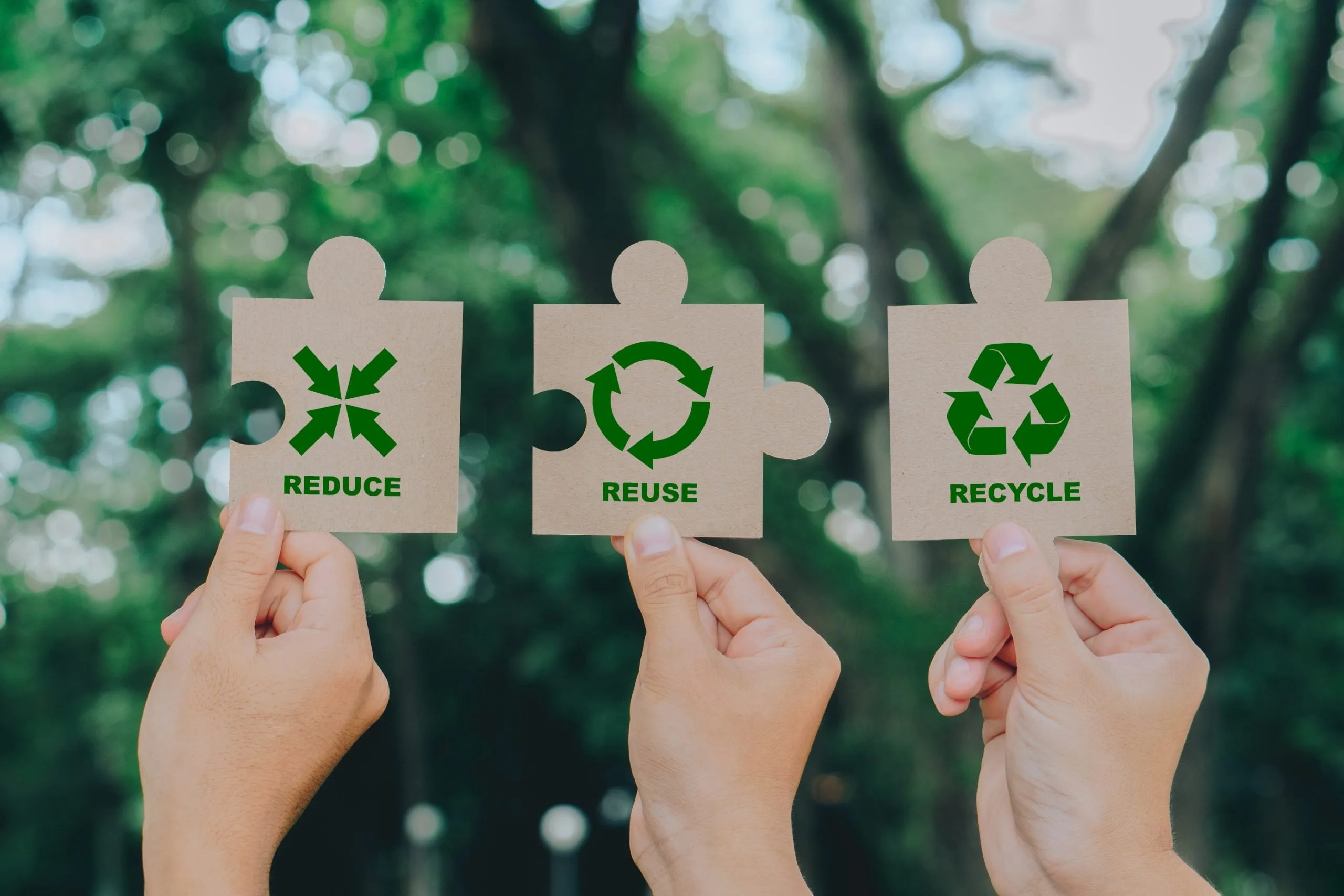
You know the feeling: it’s Sunday evening, and you are dragging a garbage bag that is alarmingly heavy to the curb. As the plastic stretches under the weight of single-use containers, food scraps, and packaging, a pang of guilt hits you. It isn’t just about the environment; it is literally money being thrown away. Finding meaningful ways to reduce waste doesn’t require living in a tiny house or fitting a year’s worth of trash into a mason jar. It requires a shift in how you view resources before they ever enter your home.
The most effective waste reduction strategy isn’t better recycling—it is preventing waste from being created in the first place.
Master the Art of “Pre-Cycling”
Most people focus on what to do with an item after they are finished with it. “Pre-cycling” shifts the focus to the purchasing decision. This is the most powerful tool in your arsenal because it stops waste at the source.
Before adding an item to your cart, perform a quick audit. Ask yourself if the packaging is recyclable in your specific municipality (glass and cardboard are usually safe bets, while flexible plastics often are not). If a product is heavily packaged in non-recyclable materials, look for a bulk alternative or a different brand. The Environmental Protection Agency (EPA) highlights source reduction as the most effective method of waste management, ranking it above recycling and composting. By refusing unnecessary packaging at the store, you send a direct signal to manufacturers about consumer preferences.
Strategic Food Waste Prevention
Food waste is a massive contributor to household trash, with the average family discarding a significant percentage of the groceries they buy. This often stems from a lack of organization rather than a lack of intent.
Start by implementing a “First-In, First-Out” (FIFO) system in your refrigerator, similar to how grocery stores stock shelves. Place older ingredients at the front and newer ones at the back. This simple visual cue reminds you to use the spinach before it wilts or the yogurt before it expires.
Furthermore, it is crucial to understand date labels. “Best by” usually indicates quality, not safety, whereas “Use by” is a safety recommendation. Confusing the two leads to millions of pounds of perfectly edible food being tossed annually. Organizations like the Natural Resources Defense Council (NRDC) advocate for better meal planning to mitigate this. If you find yourself frequently tossing produce, consider freezing it for stocks or smoothies before it turns.
Auditing Your Single-Use Habits
Paper towels, plastic wrap, and sandwich bags offer convenience, but they create a linear stream of trash: buy, use once, toss. You don’t need to replace everything overnight, but targeting high-volume disposables creates immediate impact.
Start with the kitchen sponge. Most are made of synthetic plastics that shed microplastics and eventually end up in landfills. Swapping to cellulose sponges or biodegradable brushes is a low-effort change. Similarly, investing in high-quality silicone food storage bags or simply using glass containers you already own eliminates the need for plastic wrap. The goal is to move from a linear consumption model to a circular one, where items are washed and reused rather than discarded.
The Secondhand Economy and Repair Culture
We live in an era of “planned obsolescence,” where goods are designed to break or go out of style quickly. Combat this by participating in the circular economy. Before buying a new appliance, piece of furniture, or clothing item, check local marketplaces or thrift stores. Buying used eliminates the packaging waste and carbon footprint associated with manufacturing new goods.
Equally important is relearning the art of repair. A torn seam doesn’t mean a shirt is trash; it means it needs five minutes with a needle and thread. A slow laptop might just need a new battery, not a trip to the dump. Extending the life of your possessions is one of the most underrated ways to reduce waste.
Responsible Disposal of “Hard-to-Recycle” Items
Eventually, you will have to throw things away. However, simply tossing everything in the blue bin can cause “wish-cycling”—putting non-recyclable items in the recycle bin hoping they will be recycled, which actually clogs the machinery and contaminates valid recyclables.
For items like batteries, electronics (e-waste), and textiles, you must look beyond the curbside bin. Many municipalities offer specific drop-off days for hazardous waste. Retailers often have take-back programs for ink cartridges and plastic bags. Taking the extra step to dispose of these items correctly ensures that hazardous materials do not leach into groundwater from landfills.
Taking the Next Step
Reducing waste is a marathon, not a sprint. Trying to change every habit simultaneously usually leads to burnout.
If you are interested in lifestyle content like this, also read: What does it mean to live sustainably?