
In the world of technology, we often focus on the flashy end products: the newest iPhone, the fastest graphics card, or the smartest AI assistant. However, the industry’s stability often hangs by a thread—or in this case, a fiber. A new report has illuminated a developing crisis in the global supply chain that could lead to shortages and price hikes by 2026.
This isn’t about silicon wafers or rare earth metals this time. It is about a specialized material called “glass cloth,” and it serves as a stark reminder of how fragile the manufacturing ecosystem truly is.
The Bottleneck You’ve Never Heard Of
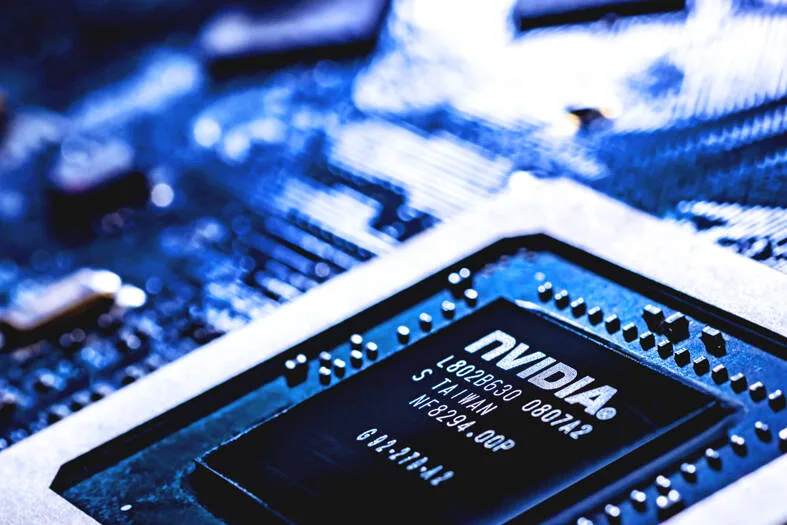
At the heart of modern electronics manufacturing is a material known as “Talass” or glass cloth. This rigid, specialized glass serves as the substrate upon which chips are mounted before they are connected to a device’s printed circuit board (PCB). It is essential because it facilitates high-speed data transmission—a non-negotiable requirement for today’s high-performance devices.
For years, companies like Apple pioneered the use of this material. But recently, a new player has entered the arena with an insatiable appetite: Nvidia. The AI giant has reportedly purchased massive quantities of this glass cloth to fuel its dominance in the AI chip market. The problem? Almost all high-end supply comes from a single Japanese company, Indobbo.
While Indobbo plans to expand capacity, significant relief isn’t expected until late 2027. This creates a dangerous gap. Chip suppliers, still traumatized by the boom-and-bust cycles of the COVID-19 pandemic, are reluctant to overbuild infrastructure. The result is a looming bottleneck where demand from Apple, Qualcomm, and AMD far outstrips supply. Consumers should prepare for a reality where high-end electronics become scarcer and more expensive, driven not just by chip complexity, but by the very glass they sit on.
The Apple and Google AI Alliance
While hardware manufacturers fight over glass, software giants are solidifying alliances that would have seemed impossible a decade ago. It is now official: the next generation of Apple’s foundation models will be powered by Google’s Gemini and cloud technology.
For the average user, this means Siri and Apple Intelligence are about to get a massive IQ upgrade, courtesy of Google’s infrastructure. However, this partnership signals a shift in power. Apple, traditionally fiercely independent regarding its core technology, is leaning on its biggest rival to compete in the AI age.
Simultaneously, Google is rolling out “Gemini with Personal Intelligence.” This feature allows the AI to pull context from your entire Google ecosystem—Gmail, Maps, Photos, and YouTube history—to answer complex queries. While this offers unprecedented convenience, it raises significant privacy questions. Google promises that this deep integration is opt-in and secure, but it effectively draws a line in the sand. Companies like OpenAI may struggle to compete simply because they lack this deep, historical access to a user’s personal data.
Geopolitics and the Talent War
The tech war isn’t just being fought in boardrooms; it is spilling into the courts. Taiwan has issued an arrest warrant for Pete Lau, the CEO of OnePlus, alongside indictments for other Taiwanese citizens. The charge involves the illegal operation of a business to recruit high-tech talent in Taiwan.
Taiwan is increasingly protective of its semiconductor workforce, viewing it as a matter of national security. The government has strict policies restricting how Chinese firms can hire local engineers, aiming to prevent “brain drain” to the PRC. While extradition is unlikely, this legal move complicates international business for OnePlus and signals that Taiwan is willing to aggressively prosecute to protect its technological edge.
A Mixed Bag for Consumers and Creators
Beyond the mega-corporations, the landscape is shifting for creators and budget-conscious consumers. Bandcamp has taken a firm stance against generative AI, banning music that is wholly or substantially created by artificial intelligence. This move has been applauded by artists who feel their livelihoods are threatened by algorithmic generation, creating a safe haven for human-made art in an increasingly synthetic internet.


On the automotive front, there is a glimmer of hope for affordability. Dacia has dropped the price of its Spring EV by €5,000, bringing it down to roughly €11,900 in markets like Germany. In an era where tech prices are generally trending upward due to the aforementioned shortages, seeing a functional electric vehicle hit such an accessible price point is a welcome anomaly.
As we look toward 2026, the technology sector is entering a phase of high friction. Between material shortages, geopolitical legal battles, and the consolidation of AI power, the next few years will likely be defined by who can secure the resources—both physical and digital—to survive.