
You stare at your kitchen trash can. It was emptied yesterday, yet it is already overflowing with plastic wrappers, delivery boxes, and food scraps. It feels inevitable. In a world wrapped in single-use plastic, the concept of a zero garbage life often feels like a fantasy reserved for people with too much time on their hands.
We have all seen the viral photos of influencers holding a tiny mason jar containing a year’s worth of trash. While impressive, that image is often discouraging for the average person. It sets a standard of perfection that leads to “eco-anxiety” rather than action.
Here is the truth: “Zero” is a goal, not a destination. The movement isn’t about being perfect; it is about dismantling the linear “take-make-waste” economy in your own home. It is entirely possible to reduce your household waste by 80-90% without living off the grid. Here is how to move from “overflowing bin” to “zero garbage” (or at least, less garbage) realistically.
1. The “Mason Jar” Myth vs. The Reality
The first step to a zero garbage lifestyle is redefining success. If you aim for absolute zero, you will fail.
The industry standard definition of “Zero Waste,” adopted by the Zero Waste International Alliance, is diverting 90% of discarded materials from landfills and incinerators. It acknowledges that in our current economy, some waste (like medical blisters or stickers on fruit) is unavoidable.
The Mindset Shift: Stop trying to recycle your way out of the problem. Recycling is actually a last resort. The goal is to prevent the trash from entering your home in the first place.
2. The Framework: The 5 R’s of Waste
To achieve a zero garbage home, you must follow the hierarchy of waste management. Most people only know the last three (Reduce, Reuse, Recycle), but the first two are the most critical.
1. Refuse (The Gatekeeper)
This is the most powerful tool in your arsenal. You must learn to say “no” to things you do not need.
-
Refuse the free promotional pen at the conference.
-
Refuse the plastic straw at the restaurant.
-
Refuse the “goodie bag” at events. Every time you accept a free item you will eventually throw away, you validate the demand for its production.
2. Reduce (The Minimalist)
Buy less. The average consumer buys 60% more clothing today than in 2000, yet keeps it for half as long. Reducing consumption drastically lowers the packaging waste entering your home.
3. Reuse (The Swap)
Replace single-use disposables with permanent alternatives. (See the “Swaps” section below).
4. Rot (The Biological Solution)
According to the EPA, food scraps and yard waste make up nearly 30% of what we throw away. When this organic matter sits in a landfill, it lacks oxygen and releases methane, a potent greenhouse gas. By composting, you turn this “garbage” into nutrient-rich soil, instantly shrinking your trash output by a third.
5. Recycle (The Last Resort)
Recycling should only be for items that cannot be refused, reduced, or reused. It is an energy-intensive process, and many plastics placed in the bin are never actually recycled.
3. The “Hidden” Garbage: Upstream Waste
When you throw away a plastic toothbrush, that is visible garbage. But what about the invisible garbage?
Upstream waste refers to the waste created during the manufacturing and shipping of a product before it ever reaches you. For every pound of trash in your bin, it is estimated that 7 pounds of waste were created upstream to produce it.
Why this matters: Living a zero garbage lifestyle isn’t just about empty bins; it’s about voting for a different supply chain. When you buy a bamboo toothbrush or a refillable glass cleaner, you are signaling to the market that you want products designed for a circular economy, not a linear one.
4. Three High-Impact Swaps to Start Today
Don’t overhaul your whole life overnight. Start with the “Big Three” sources of daily trash.
-
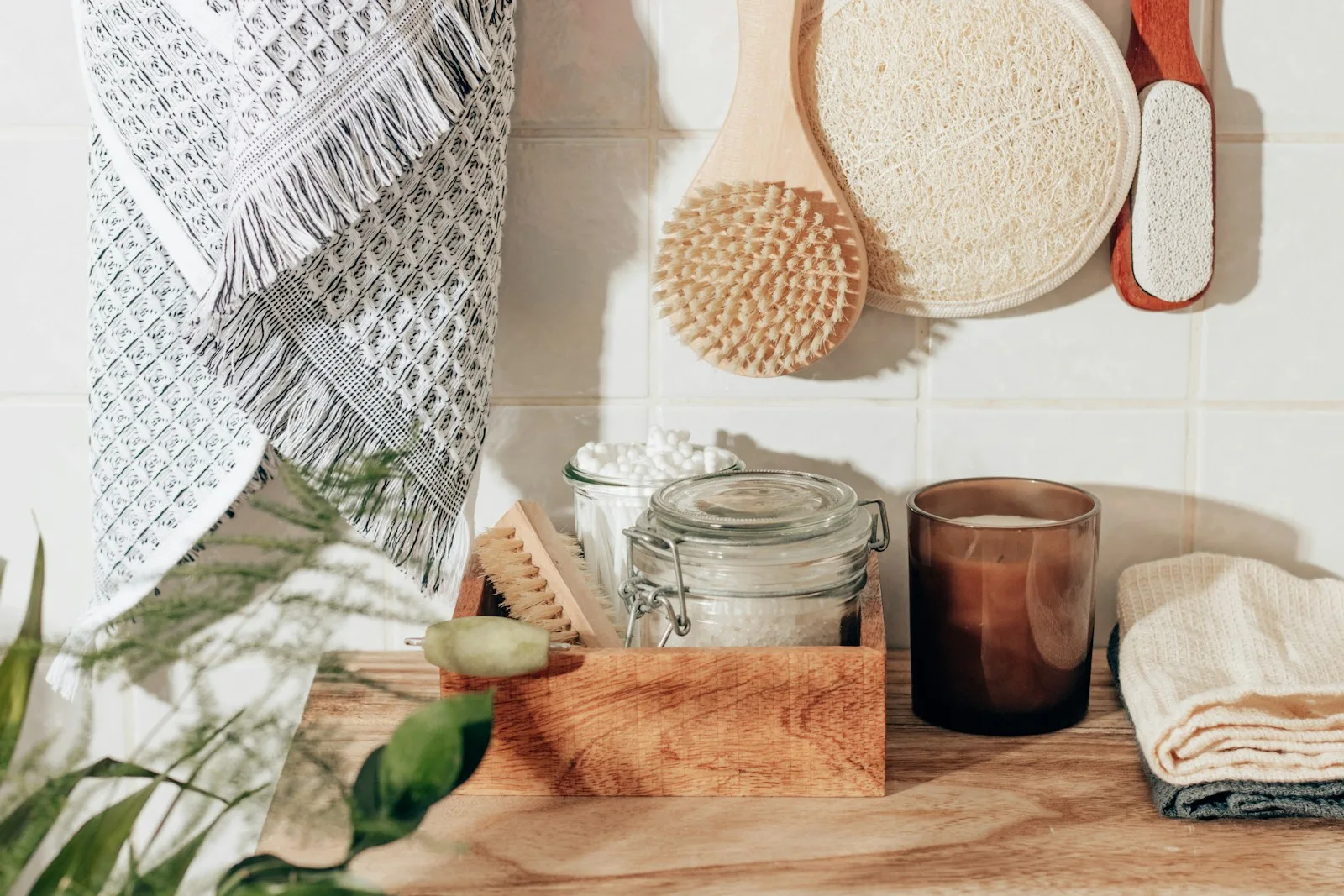
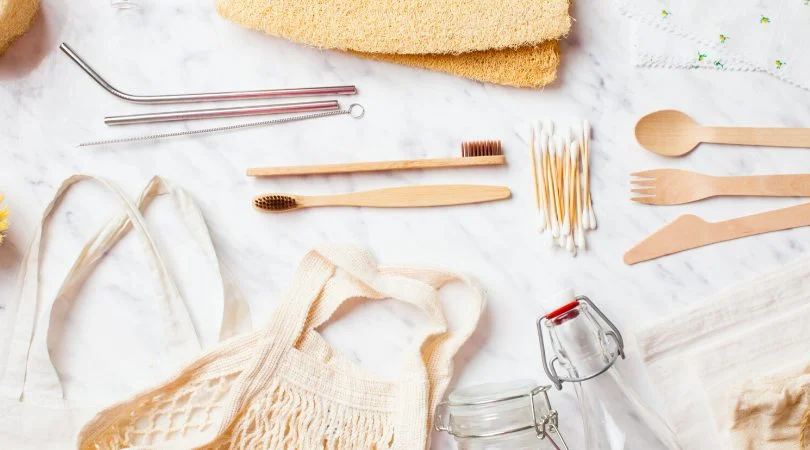
The Kitchen Sponge: Synthetic sponges release microplastics and end up in landfills every two weeks. Swap for: A wooden dish brush with a replaceable compostable head or a Swedish dishcloth.
-
Plastic Water Bottles: A global disaster. Swap for: A high-quality stainless steel bottle and a home water filter.
-
Paper Towels: We pay money to throw these away. Swap for: “Unpaper” towels or simple cotton rags cut from old t-shirts. Keep a basket of them under the sink.
Conclusion: Progress Over Perfection
Is a literal zero garbage life possible? In the modern world, perhaps not 100%. But is a life where you only take out the trash once a month possible? Absolutely.
The goal is not to fit your trash in a jar to show off on Instagram. The goal is to be conscious of your footprint. We don’t need a handful of people doing zero waste perfectly; we need millions of people doing it imperfectly.
Also read: Stop Using AI Like a Chatbot: 3 Advanced Workflows That Feel Like Magic