
You finish dinner and instinctively reach for the plastic wrap to cover the leftovers. A week later, that plastic ends up in a landfill where it will sit for centuries. We often view these daily disposables as unavoidable costs of living, but they represent a massive, cumulative strain on both the planet and your wallet.
Transitioning to environmentally friendly household items is not about buying trendy “green” gadgets; it is about shifting from a disposable mindset to a durable one. The most sustainable product is the one you only have to buy once. By swapping out temporary conveniences for permanent tools, you reduce your household’s waste footprint significantly.
Here are five high-impact swaps that offer superior performance to their disposable counterparts while eliminating unnecessary trash.
1. The Kitchen Workhorse: Silicone Food Bags
The sandwich bag is the emblem of the single-use culture. We use it for four hours to hold a snack, and then it persists in the environment forever. While washing flimsy plastic bags is possible, it is rarely practical.
The Swap: Platinum-grade Silicone Bags (e.g., Stasher). Unlike plastic, silica is derived from sand and is highly durable. These bags can withstand boiling water, the freezer, and the microwave.
-
The Impact: One silicone bag can replace thousands of disposable baggies over its lifespan.
-
The Benefit: They create an airtight seal that actually keeps food fresher longer than cheap plastic zippers.
2. Laundry Logic: Wool Dryer Balls
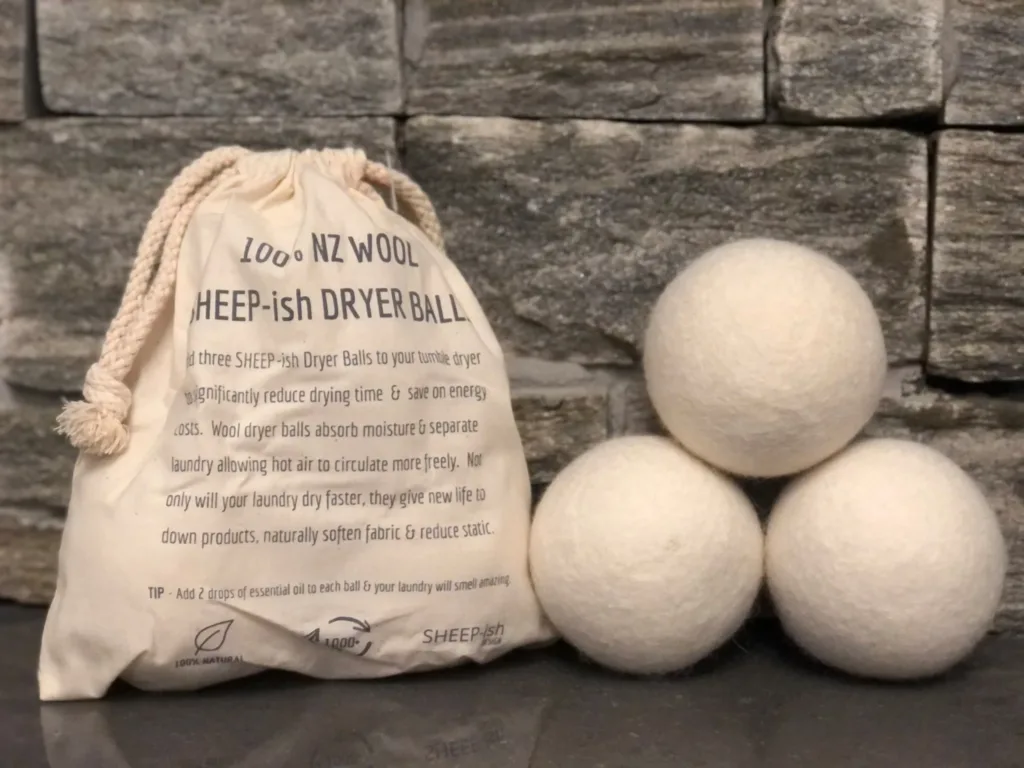
Conventional dryer sheets are a double-edged sword. They are single-use synthetic sheets coated in fragrances and chemicals (often tallow or stearic acid) that coat your clothes to reduce static. They essentially pollute your air quality while creating physical waste.
The Swap: 100% New Zealand Wool Dryer Balls. These felted balls of wool bounce around your dryer, separating wet laundry to allow hot air to circulate more efficiently.
-
The Efficiency: They can reduce drying time by 10–25%, saving you electricity.
-
The Longevity: A set of three balls can last for over 1,000 loads. When they finally wear out, they are fully compostable.
3. The Sink Solution: Swedish Dishcloths
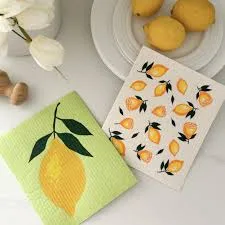
The standard green-and-yellow kitchen sponge is a bacterial haven made of synthetic plastic foam. As it degrades, it sends microplastics down your drain and into the water supply.
The Swap: Swedish Dishcloths (Cellulose and Cotton mix). Invented in 1949, these cloths are a hybrid between a sponge and a paper towel. They absorb 20 times their weight in liquid and dry incredibly fast, which prevents bacteria growth and “sponge smell.”
-
The Cycle: You can wash them in the dishwasher or washing machine up to 200 times. When they are tattered, you can bury them in your garden, and they will biodegrade within weeks.
4. The Bathroom Upgrade: Safety Razors
The marketing machine has convinced us that we need five blades and a lubricating strip to shave. In reality, multi-blade cartridges cause more irritation by pulling the hair before cutting it, and the mixed materials (metal + plastic) make them impossible to recycle.
The Swap: The Stainless Steel Safety Razor. This is likely what your grandfather used. It uses a single, sharp double-edged blade.
-
The Economics: The handle is a one-time investment ($30–$50). The replacement blades cost pennies (approx. $0.10 each) compared to $3–$4 for a plastic cartridge.
-
The Waste: The only waste is a small piece of steel, which is 100% recyclable. Many users collect used blades in a “blade bank” (an old soup can) and recycle them in bulk.
5. Cleaning Without the Bottle: Glass Spray Systems
Shipping water is heavy and carbon-intensive. Yet, when you buy a standard bottle of glass or surface cleaner, you are paying mostly for water and a plastic trigger sprayer that will end up in a landfill.
The Swap: Glass Bottles and Dissolvable Tablets. Brands like Blueland or public goods have popularized this model. You buy a durable glass bottle once. When you need more cleaner, you buy a small, dry tablet packaged in paper.
-
The Chemistry: You drop the tablet into tap water at home. It fizzes and creates the cleaning solution.
-
The Shift: This eliminates the need for single-use plastic bottles entirely and drastically reduces shipping emissions.
Conclusion: Start with One Room
You do not need to overhaul your entire house overnight. That approach usually leads to “eco-anxiety” and burnout. Choose one room—likely the kitchen or the bathroom—and identify the item you throw away most frequently. Replace that one item with a permanent alternative.
The goal of using environmentally friendly household items isn’t perfection; it is the consistent reduction of harm.