
You spray your kitchen counter, and the sharp scent of lemon and pine fills the air. For years, we have been conditioned to believe that if it doesn’t smell like strong chemicals, it isn’t working. But that “clean” smell is often a cocktail of volatile organic compounds (VOCs) that pollute your indoor air quality more than the smog outside.
The shift toward eco friendly cleaning products is not just about saving sea turtles; it is about protecting your respiratory system. However, the cleaning aisle is a minefield of marketing lies. “All Natural,” “Non-Toxic,” and “Green” are largely unregulated terms. A bottle can be slapped with a leaf graphic while still containing hazardous irritants.
Here is how to cut through the marketing fluff, identify genuine safe alternatives, and ensure you aren’t sacrificing hygiene for sustainability.
1. The Greenwashing Trap: Decoding the Labels
“Greenwashing” occurs when companies spend more money marketing themselves as environmentally friendly than actually minimizing their environmental impact. Because the cleaning industry is not required by law to list every ingredient on the bottle (unlike food), transparency is optional.
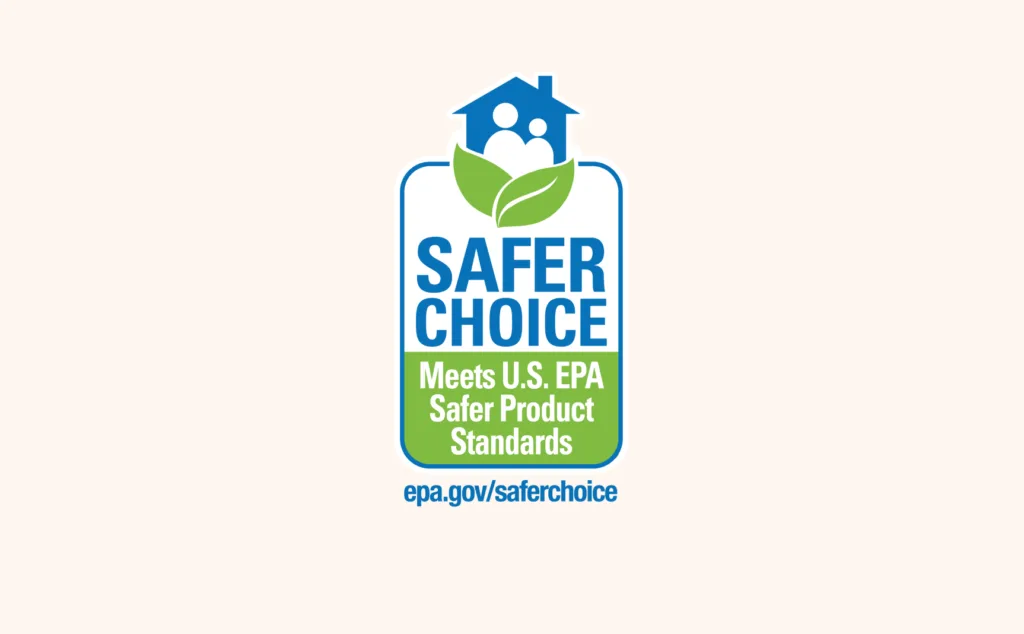
To find the truth, you must ignore the adjectives and look for third-party certifications. These logos indicate that an independent organization has audited the formula.
-
EPA Safer Choice: This is the gold standard in the US. It means every ingredient has been reviewed by EPA scientists for human health and environmental safety.
-
Leaping Bunny: Guarantees the product was not tested on animals (though it doesn’t certify ingredient safety for humans).
-
EWG Verified: Indicates the product meets the Environmental Working Group’s strictest standards for health.
2. The “Nasty List”: Ingredients to Banish
If you flip the bottle over and see these compounds, put it back on the shelf. These are the most common offenders found in conventional cleaners that legitimate eco-friendly brands strictly avoid.
Phthalates (Hidden in “Fragrance”)
If you see the word “Fragrance” or “Parfum” without a breakdown of what makes that scent, it likely contains phthalates. These are known endocrine disruptors that can interfere with hormone balance. True eco-friendly products use essential oils or state “Fragrance-Free.”
Ammonia and Chlorine Bleach
While effective at killing bacteria, these are potent respiratory irritants. Mixing them (even accidentally) creates deadly chloramine gas. Furthermore, chlorine production releases dioxins, which are persistent environmental pollutants.
Quaternary Ammonium Compounds (“Quats”)
Often found in disinfectant wipes and sprays, Quats are linked to asthma and skin issues. They are powerful antimicrobials but are often overkill for daily surface wiping.
3. But Do They Actually Disinfect?
The biggest hesitation consumers have is efficacy. Can a plant-based cleaner actually kill Salmonella or E. coli?
The answer is yes, but the mechanism is different.
-
Botanical Disinfectants: Many EPA-registered eco-friendly disinfectants use Thymol (a component of thyme oil) or Citric Acid as the active ingredient. These effectively destroy cell walls of bacteria and viruses without burning your lungs.
-
Hydrogen Peroxide: This is the unsung hero of green cleaning. It fizzes away bacteria and breaks down into plain water and oxygen. It is far safer than bleach and just as effective for whitening and sanitizing.
Key Distinction: Know the difference between cleaning (removing dirt and germs physically) and disinfecting (killing germs chemically). You do not need to nuclear-bomb your living room with disinfectants daily. A simple surfactant (soap) based eco-cleaner is sufficient for 90% of household tasks.
4. The Rise of Concentrates and Refills
Sustainability isn’t just about the liquid; it’s about the vessel. We have been shipping mostly water around the world in single-use plastic bottles.
The most impactful trend in the sector is the Concentrate System. You buy a durable glass or aluminum bottle once, and then purchase small tablets or liquid vials to mix with tap water at home.
-
Cost Efficiency: Once you own the bottle, refills often cost under $2.00, significantly cheaper than buying a new plastic bottle of Windex or Lysol every month.
-
Carbon Footprint: Shipping a 2-ounce tablet uses significantly less fuel than shipping a 32-ounce bottle of water.
Conclusion: Progress Over Perfection
Switching to eco-friendly cleaning products requires a mindset shift. You might need to let go of the artificial “ocean breeze” smell and accept that natural cleaners might not bleach your grout white in five seconds (though they will get it clean).
Start by replacing the products you spray into the air, as these are the ones you inhale most directly (like air fresheners and glass cleaners). Your lungs—and the planet—will notice the difference immediately.
If you are interested in lifestyle content like this, also read: Realistic ways to Reduce Waste at Home