
Scroll through TikTok or Instagram, and the imagery is inescapable: a workspace overlooking a rice paddy in Ubud, a high-rise condo in Bangkok, or a beachside cafe in Da Nang. The laptop lifestyle has transcended its origins as a Western “digital nomad” trend and has been aggressively adopted by a new wave of creators and influencers across Asia.
However, this is not just about aesthetics. For content creators in Southeast Asia, China, and Korea, the shift to location-independent work is a calculated economic move. Fueled by robust digital infrastructure, lower operational costs, and the explosion of the “creator economy,” Asia has become the global capital for remote entrepreneurs. It is no longer just about sipping coconuts; it is about leveraging geo-arbitrage to build media empires.
Here is why the center of gravity for the digital workforce has shifted East, and what it actually takes to sustain this lifestyle beyond the curated feed.
1. The Economics of Geo-Arbitrage
The primary driver for the laptop lifestyle in Asia is “geo-arbitrage”—earning in a strong currency (like USD, Euro, or SGD) while spending in a weaker local currency.
For an influencer starting out, the runway is critical. A monthly budget of $1,500 in Seoul or Singapore barely covers rent. In Chiang Mai or Ho Chi Minh City, that same amount covers a modern apartment, co-working memberships, and dining out for every meal. This low barrier to entry allows creators to reinvest their income into better gear, editors, and ad spend, accelerating their growth faster than peers stuck in high-cost cities.
2. The Infrastructure: More Than Just Cheap Coffee
A common misconception is that the laptop lifestyle in Asia is “rustic.” In reality, cities like Bangkok and Kuala Lumpur offer digital infrastructure that often surpasses Western capitals.
-
Connectivity: Thailand and Vietnam consistently rank high for mobile internet speeds. 5G is ubiquitous in major hubs, which is non-negotiable for influencers uploading 4K video or live-streaming for hours.
-
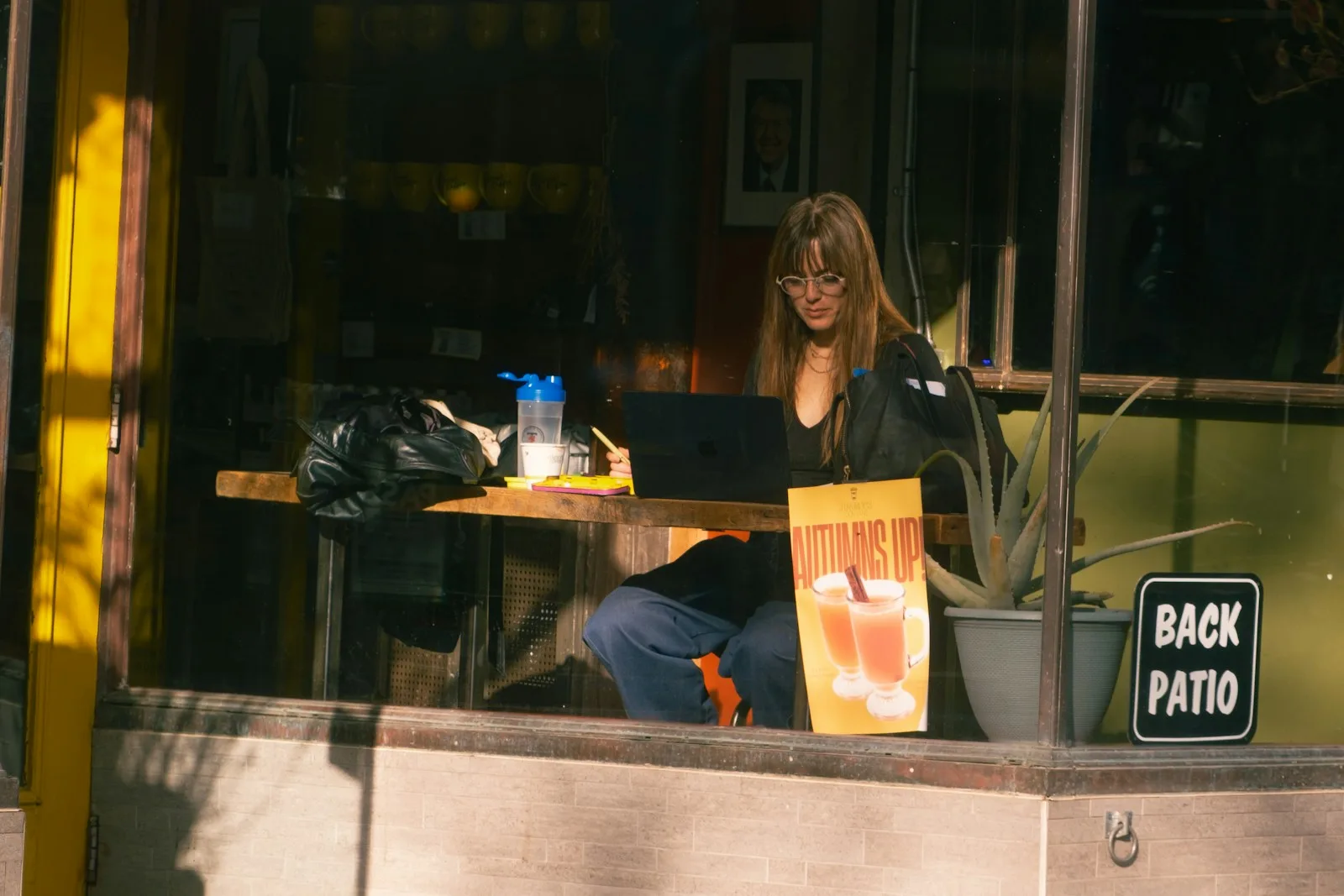
The “Third Space” Ecosystem: The cafe culture in Seoul, Taipei, and Hanoi is designed for workers. Unlike Western cafes that might cover outlets to discourage campers, Asian establishments often provide high-speed mesh Wi-Fi and power strips at every table, explicitly catering to the remote workforce.
3. The Influencer Pivot: From Blogging to Live Commerce
In the West, the laptop lifestyle is often associated with freelance coding or copywriting. In Asia, it is heavily skewed toward Live Commerce and social selling.
Platforms like Douyin (TikTok China) and Shopee Live have created a model where influencers sell products in real-time. This requires a different kind of “laptop lifestyle”—one that is mobile but equipment-heavy. You will often see creators in public spaces in Jakarta or Shenzhen with ring lights and multiple phones, turning a park bench into a broadcast studio. This agility allows them to create content against varied, exotic backdrops, keeping audience engagement high.
4. The “Big Three” Digital Hubs
While you can work from anywhere, specific cities have clustered talent, creating networking effects that are hard to replicate elsewhere.
-
Bali, Indonesia (The Creative Hub): Specifically Canggu and Ubud. This is the global capital of the aesthetic. It draws wellness influencers, YouTubers, and brand builders. The networking here is unmatched, but the infrastructure is straining under the load.
-
Bangkok/Chiang Mai, Thailand (The Efficiency Hub): Bangkok offers big-city amenities and luxury malls, while Chiang Mai offers a quieter, mountain pace. Both are favored by SEOs, dropshippers, and tech-focused creators.
-
Da Nang, Vietnam (The Up-and-Comer): With easier visa policies and a coastline that rivals Bali (without the traffic), Da Nang is rapidly becoming the preferred spot for Korean and Japanese remote workers.
5. The Reality Check: Visas and Taxes
The glamorous narrative often omits the legal gray zones. Historically, many digital nomads worked illegally on tourist visas. However, Asian governments are tightening enforcement while simultaneously offering legal pathways.
-
The “Golden Visa” Era: Indonesia, Thailand, and Malaysia have all recently introduced specific visas for remote workers (like the Destination Thailand Visa (DTV) or Indonesia’s “Second Home” visa).
-
Tax Residency: Influencers are high-visibility targets. As you scale, “flying under the radar” becomes dangerous. Establishing proper tax residency is a complex, necessary headache that separates the professional entrepreneur from the perpetual tourist.
Conclusion: Discipline Behind the Dream
The laptop lifestyle in Asia offers unparalleled freedom and distinct economic advantages, but it requires a rigid structure to survive. The influencers who succeed are not the ones spending all day at the beach club; they are the ones who treat their mobility as a business asset, using the lower costs and high energy of Asian hubs to out-produce their competition.